
You spent the money to acquire the customer. They bought. And then, in the first few days after purchase, most of their lifetime value quietly evaporates. Here's what's doing it and how to stop the leak.
Why the first week holds most of the LTV
Quick orientation before the levers, because the arithmetic decides how seriously you should take this, and it's the case for why retention matters more than most founders think. Say you pay Rs.800 to acquire a customer whose first order contributes Rs.600. The first purchase alone leaves you Rs.200 short. If your average repeat customer makes two more orders contributing Rs.500 each, the relationship is worth Rs.1,300, and Rs.700 of that, more than half, arrives after the first purchase. The acquisition already happened and got paid for. Everything from here is margin, and most of that margin lives in the first two weeks, when the customer is paying attention and deciding whether you're trustworthy.
Which is the whole lens for this article. The post-checkout week has the highest attention your customer will ever give you, and it's the cheapest place to influence LTV, because no auction is involved.
The onboarding gap
The moment right after checkout is when a customer decides whether they regret buying. Slow, unclear shipping communication. A confirmation email that says nothing. No expectation of when it arrives. That uncertainty turns a first purchase into a one-time event, because a customer who feels unsure doesn't come back.
The feeling is worth naming. Someone just gave a stranger their money and their address. The first thing they want to know is "did it work, is it coming, when." A confirmation email that says "we received your order" with no date, no tracking, no next step leaves all three questions open. That silence is a small wound, but the customer's decision about you gets made in it.
The fix is boring and it works. Set the delivery expectation immediately. Tell them what happens next. Send tracking without them asking. Every step of the follow-up that reduces post-purchase anxiety protects the second purchase, and the second purchase is where LTV actually lives.
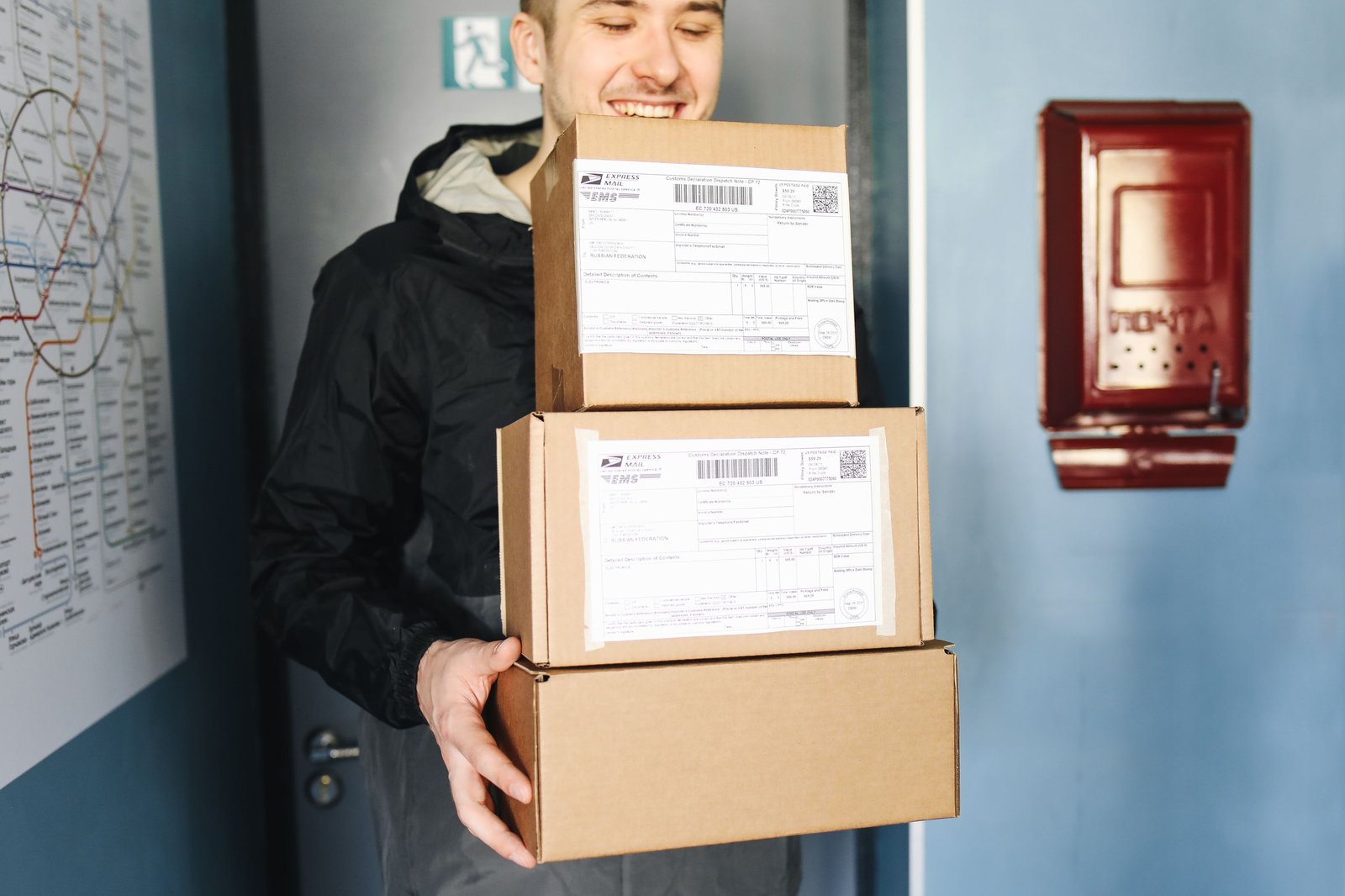
A product experience that underwhelms
If the product that shows up doesn't match what the ad promised, you don't just lose the repeat sale, you lose the referral and you might eat a return. The gap between ad promise and product reality is where LTV dies fastest. Overpromising in the ad to get the click is the most expensive thing you can do to lifetime value.
Here's the trap, and it's structural. In the ad account, an exaggerated promise looks free. The click-through rate climbs, the cost per result drops, the campaign earns more budget. Every reward for overpromising arrives before the package does. The punishment, a disappointed customer, a return, a silent churn, arrives later and lands on a different metaphorical desk. Nothing in a weekly ad review ever surfaces it, so the exaggeration quietly compounds across every creative you make.
Sell it straight. A customer who gets exactly what they expected becomes a customer who trusts you enough to buy again. Trust is the entire engine of repeat revenue.
No reason to return
Buying once from you gives a customer no reason to buy twice. There's no follow-up, no next offer, no reason that arrives in their inbox at the right moment. The purchase ends and the relationship ends with it.
The second purchase needs a trigger, and the timing has a shape worth copying. A well-timed email after they've had the product long enough to use it. A complementary offer that makes sense. Something that shows up when the first product is running low or the use case calls for more.
Time the trigger to the usage cycle, say the bottle that empties around day 30, and a reminder selling it lands with perfect timing: relevant exactly when the need exists. Without a trigger, even happy customers drift, not out of any disappointment, just because nothing recalls them.
Also handle the failsafes, because they're cheap. Unopened-looking orders should be asked about at day 10. Anything going quiet between day 0 and day 30 should still be being tracked, because the cost of a proactive "how's it going" email is nothing.
The math that makes this urgent
Acquiring a customer costs real money. If that customer buys once, you barely break even or you lose. The entire profit model of e-commerce rests on the second, third, and fourth purchase. So the money isn't in the next ad. It's in the first week after checkout, making sure the person you just paid for feels good enough about it to do it again.
Before you spend another rupee on acquisition, run one check: pick your last hundred customers and trace what contact they got in the two weeks after purchase. If the honest list is "the receipt, the shipping notice, and nothing," you've found the cheapest upgrade in your whole funnel, and it doesn't touch the ad account.
"My product is a one-time purchase. Does LTV still apply?"
Fair challenge, so take it straight. If customers genuinely never buy again, your LTV is the first order, and the lesson changes shape rather than disappears. It means break-even has to land on order one, which turns margin and AOV into the whole game: raise the first-order value with bundles, raise the margin with pricing, cut acquisition cost with better creative. And be honest about whether "never buys again" is true or just never measured. Many one-and-done product categories still carry add-ons, refills, gifting, or a second unit for another room. Before you accept flat LTV, check ninety-day repeat on your actual cohorts, because the stores that assume zero and count properly usually find something.
I'm Hirdesh Matai, founder of HDM GRO-ads, the science of e-commerce advertising.